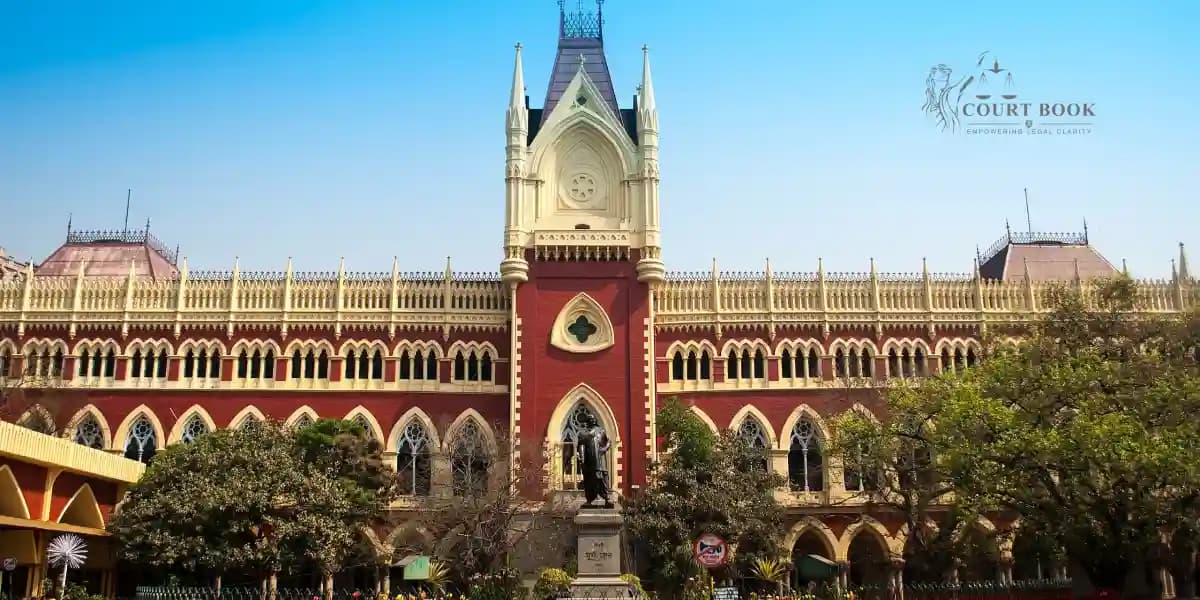
The packed courtroom on the Original Side of the Calcutta High Court saw a sharp contest between an insurer and a bank over who should decide their dispute - a civil court or an arbitral tribunal. At the heart of the matter was whether a lawsuit seeking enforcement of a fresh lease, after an old one had expired, could be pushed into arbitration. By the end of the hearing, Justice Aniruddha Roy made it clear that the court would not step aside so easily.
Background
The dispute arose from a commercial premises in Kolkata. The property was originally leased in 2014 by Williamson Magor to The New India Assurance Company for nine years. That lease ran its full course and expired on March 31, 2023.
Read also:- Delhi High Court Ends Criminal Case Over Family Land Mutation: Cheating, Forgery Charges Found Unsustainable
Ownership of the premises changed hands in the meantime, with HDFC Limited merging into HDFC Bank. After the merger, HDFC Bank stepped into the shoes of the earlier landlord.
Before the lease ended, emails and letters were exchanged in May 2022. According to the insurer, those communications amounted to a concluded agreement for a fresh 10-year lease starting April 1, 2023. The insurer continued occupying the premises, rent was accepted, but no new lease deed was signed. Matters escalated when the bank issued an eviction notice, citing regulatory requirements under banking laws.
Read also:- Unnao Rape Case Reaches Supreme Court Again as Plea Challenges Delhi High Court’s Suspension
Court’s Observations
The bank moved an application under Section 8 of the Arbitration and Conciliation Act, asking the court to send the dispute to arbitration based on an arbitration clause in the 2014 lease. Its counsel argued that any disagreement “howsoever arising” in relation to the premises had to go before an arbitrator.
The insurer countered that its claim was not about enforcing rights under the old lease. Instead, it was seeking specific performance of a separate, concluded contract formed through correspondence - something outside the expired lease.
Justice Roy agreed that the distinction mattered. Reading the plaint at face value, the bench observed that the old lease had “admittedly expired” and that renewal was no longer legally possible. “Once the parent lease stands expired, question of renewal does not arise,” the court noted.
What the insurer was really asking for, the bench said, was execution of a fresh lease based on later negotiations. Such a claim, the judge held, could not automatically be dragged under the arbitration clause of an agreement that no longer existed.
Read also:- Delhi High Court Ends Criminal Case Over Family Land Mutation: Cheating, Forgery Charges Found Unsustainable
Decision
Holding that the subject matter of the suit was not covered by the arbitration agreement in the expired lease, the court dismissed the bank’s Section 8 application. The matter will continue before the civil court, with no order as to costs.
Case Title: The New India Assurance Company Limited vs HDFC Bank Limited
Case No.: IA No. GA-COM/2/2025 in CS-COM/41/2025
Case Type: Commercial Suit (Application under Section 8, Arbitration and Conciliation Act, 1996)
Decision Date: December 23, 2025