The Supreme Court was in no mood to let the Supernova project drift any further. By the end of the hearing, the Bench had taken the unusual step of virtually scrapping the existing insolvency framework and installing a court-controlled mechanism to rescue the stalled Noida development.
Background
The case arose from the long-running troubles of the mixed-use Supernova project in Sector 94, Noida, developed by Supertech Realtors Pvt. Ltd. The project includes homes, offices, studios, and retail spaces, and thousands of buyers have been waiting for possession for years.
Read also:- Redefining Aravallis: Supreme Court Steps In, But Will Monday’s Hearing Freeze Mining Across the Region?
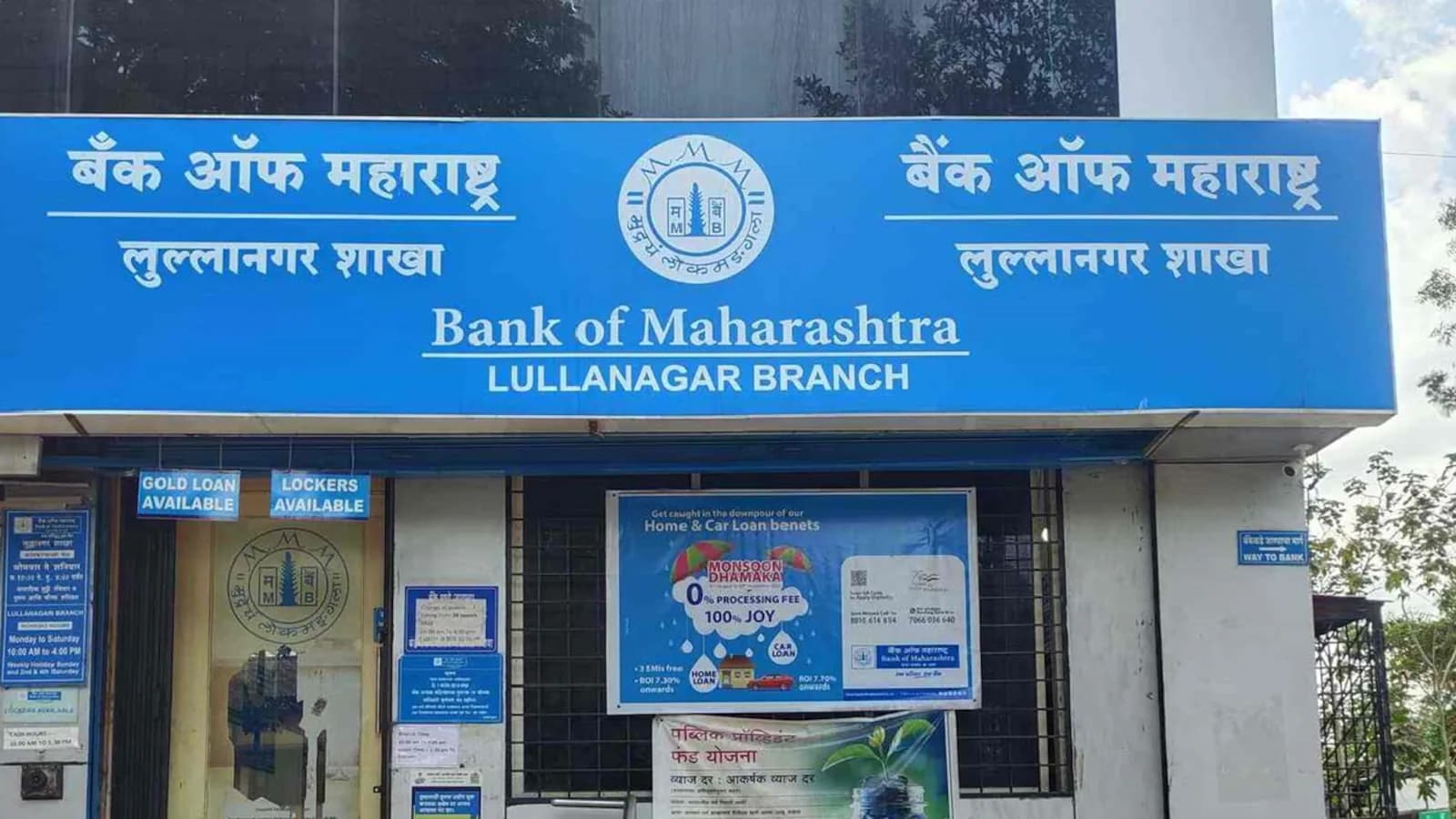
The appeal before the Supreme Court was filed by Ram Kishore Arora, a suspended director of the company, challenging an August 2025 order of the National Company Law Appellate Tribunal. That order had upheld the admission of Supertech into the corporate insolvency resolution process after a Section 7 application by Bank of Maharashtra, essentially allowing lenders to take control under the Insolvency and Bankruptcy Code.
Given the sheer number of stakeholders - banks, homebuyers, Noida Authority, and others - the Court had earlier appointed senior advocate Rajiv Jain as amicus curiae to study the mess and suggest a way forward.
Read also:- J&K High Court Pulls Up Magistrate for Issuing Warrants After Cheque Bounce Settlement
Court’s Observations
As arguments unfolded, the Bench made it clear it was troubled by how the situation had been allowed to spiral. Referring to the amicus report, the Court noted that lenders were not entirely blameless. “The material on record indicates that despite early warning signs, the lenders did not act in time,” the Bench observed, adding that this failure had weakened their present claim to priority over homebuyers.
The judges also acknowledged a rare point of consensus. Despite competing claims, most stakeholders appeared to favour a court-monitored solution rather than another round of corporate wrangling. The amicus had recommended replacing the usual insolvency machinery with a special committee under judicial oversight, a suggestion that found favour with the Court.
Invoking its extraordinary powers under Article 142 of the Constitution, meant to ensure “complete justice,” the Bench said the case demanded an unconventional remedy.
Read also:- Madras High Court Defers Plea to Halt ‘Parasakthi’ Release, Seeks Report From Writers’ Body
Decision
The Supreme Court dissolved the existing insolvency structure - discharging the interim resolution professional, the committee of creditors, and the suspended board of directors. In their place, it constituted a powerful three-member court-appointed committee to take over the project’s resolution.
The committee will be headed by Justice M.M. Kumar, former Chief Justice of the Jammu and Kashmir High Court, with experts in construction and finance as members. This body will function as the board of directors, appoint a new developer, supervise construction, and take all key decisions.
Crucially, the Court ordered a “zero period” for payments to banks and the Noida Authority. No dues will be paid to them until homes are completed and handed over to buyers. Authorities were also directed to fast-track approvals without insisting on past dues, and coercive action against paid-up homebuyers was barred.
All project funds, including unsold inventory proceeds, are to be kept in an escrow account strictly for construction. A forensic audit of the company’s accounts was also ordered. The appeal will next be reviewed in January 2026, with the Court retaining close supervision over the process.
Case Title: Ram Kishore Arora vs Bank of Maharashtra & Others
Case No.: Civil Appeal No. 11052 of 2025
Case Type: Civil Appeal (Insolvency and Bankruptcy Code – Corporate Insolvency Resolution Process)
Decision Date: 16 December 2025